
Social engineering · Cybercrime intelligence
The internet leaves clues.
We follow them.
Skool Of Scam investigates how people get manipulated online. Scams, fake identities, phishing infrastructure, and AI-enabled deception, followed from first contact to final consequence.
Blogs
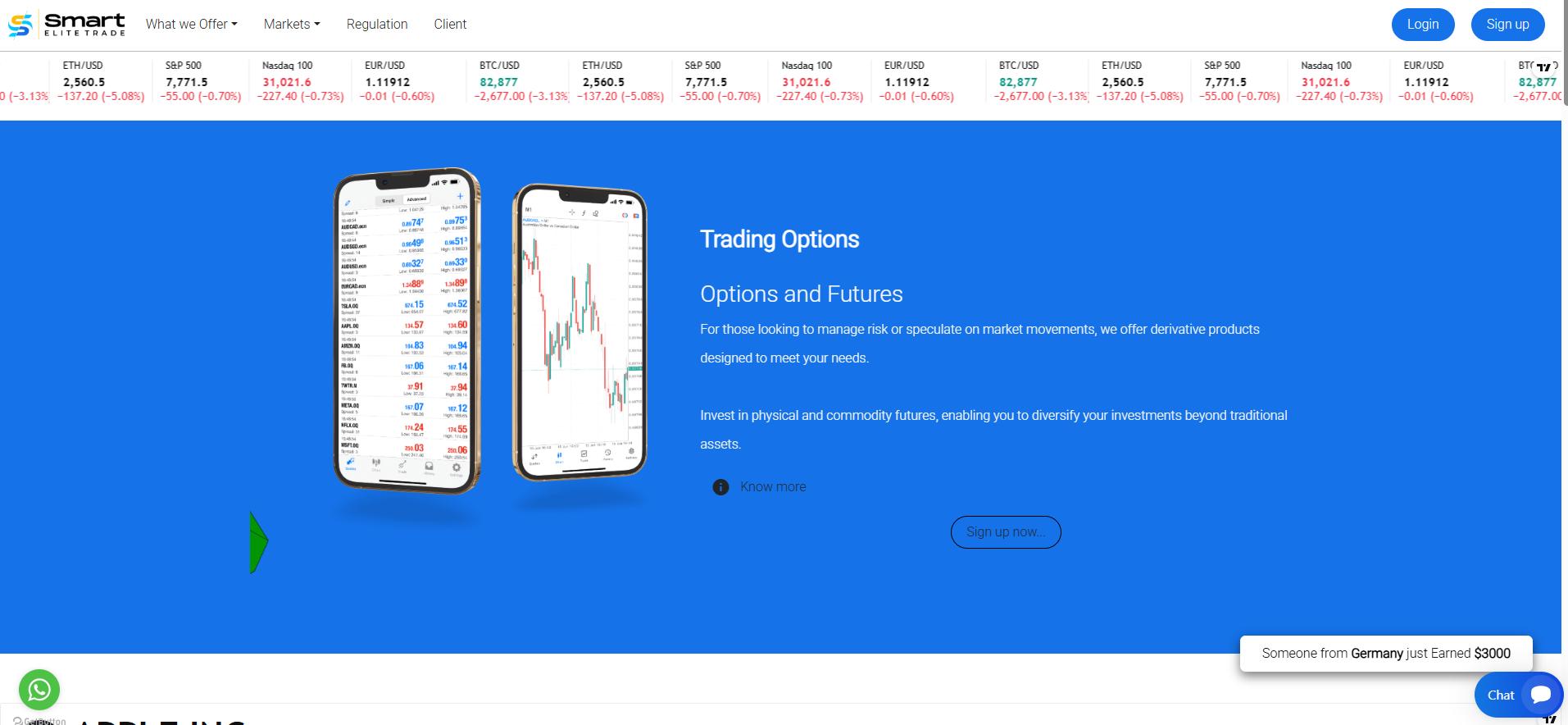
Inside “Smart Elite Trade”: seven phone numbers, a shuttered twin site and the bank accounts taking the money
Investment fraud · 7 October 2026
A trading platform promising returns of up to 451% a day left fingerprints in its domain records, a leaked server path and a spread of WhatsApp numbers across three countries.
Read the blog
AI and phishing · 16 October 2026
I Tested 6 AI Tools to See If They Could Find Someone's Location From a Holiday Photo. The Results Were Concerning.
No GPS, no location tag. I gave six AI tools the same holiday photo. All six found the region and three named the exact campground.
Read the blogScam check
Before you trust it, check it.
Research a website, company or online identity using available public information: domain age, security reputation, public complaints and official warnings.
The human attack
We don't just look at the scam
We look at the person behind the screen: what they wanted, and how they got it.
What behaviour was the attacker trying to create?
Psychological lever
Fear, urgency, authority, trust, or reward
Trigger
What caused the victim to act, right then
Failure point
Where the attack could have been stopped
Skool Of Scam podcast
People. Deception. Cybercrime.
Now playing · Episode 45
Why We Get Scammed Even When We Know Better — Anna Collard
Think you've encountered a scam?
You don't need to figure everything out alone. Tell us what happened: screenshots, links, or just the story.
Prefer email? Write to us at info@skoolofscam.com.